The emergence of a hiatal hernia is marked by the stomach's upward migration through the diaphragm into the chest. The diaphragm, acting as the muscle separator between the chest and stomach regions, plays a fundamental role in our breathing mechanism. This balance can be hampered by a hernia, enhancing the ease with which acid can return to the esophagus, potentially leading to gastroesophageal reflux disease (GERD). GERD is a longstanding ailment marked by the consistent refluxing of stomach acid into the esophagus, presenting symptoms such as heartburn, upward surge of stomach content, and occasionally, swallowing issues. Over time, untreated GERD can give rise to complications like an inflamed esophagus, esophageal tightness, or the development of Barrett's esophagus.
Medical Arts Surgical Group Top Robotic Hiatal Hernia Surgeon
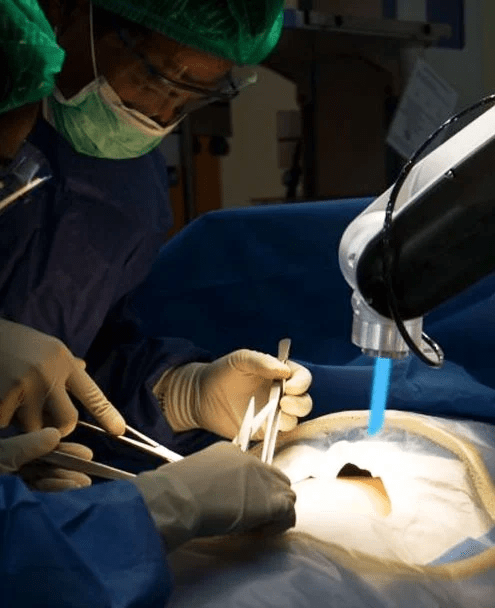

While a good number of individuals with hiatal hernias might not face any noticeable symptoms, there exists a group that endures intense heartburn, stomach regurgitation, and persistent acid reflux. When foundational approaches like diet alterations, weight monitoring, and medication therapies fall short, the option of surgical intervention surfaces. The primary goal of these surgical solutions is to address the hernia and enhance the efficacy of the lower esophageal sphincter (LES) in obstructing acid reflux. Elements such as the hernia's dimension, its kind, the patient's chronological age, comprehensive health, and the onset of any other complications play a role in determining surgical decisions.
Fundoplication: This stands out as a primary surgical option for amending hiatal hernias and controlling GERD. By wrapping the fundus, the stomach's upper region, around the lower esophagus, it augments the LES's strength, curbing acid reflux. Depending on the case, surgeons can deploy a laparoscopic route involving small incisions or an open method with a significant cut. The laparoscopic pathway is often lauded for its speedier recovery trajectories and lessened after-surgery discomfort.
LINX Device Placement: Through this contemporary surgical procedure, a band of magnetic beads is anchored around the meeting point of the stomach and esophagus. These beads are instrumental in elevating the LES's inherent protective functionality, ensuring acid reflux prevention while permitting brief openings for ingestion.
Post hiatal hernia and GERD surgical procedure, patients undergo a well-defined recovery phase. A temporary hospitalization, generally spanning two to three days, is customary for meticulous oversight. With time, usually spanning a few weeks, patients can incrementally revert to their routine activities, though under certain advisories. The initial dietary protocol emphasizes liquids, followed by a transition to softer foods, and eventually, a comprehensive diet is reintroduced. It's imperative for patients to remain steadfast in following the surgeon's post-operative counsel concerning dietary habits, physical endeavors, and therapeutic regimens. Habitual medical reviews after the operation are vital to verify the procedure's success, oversee potential issues, and foster lasting health.
Medical Arts Surgical Group Top Robotic Hiatal Hernia Surgeon